







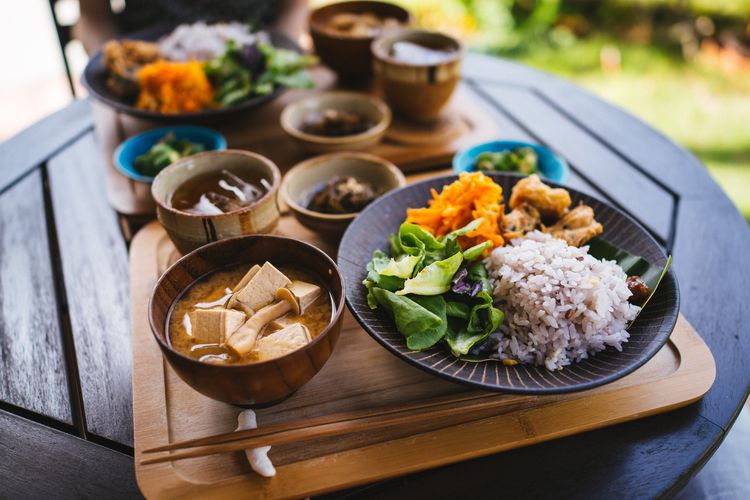
* Plant-Based Focus: Approximately 95% of the diet consists of plant-based foods, including vegetables, fruits, whole grains, legumes, nuts, and seeds. Animal protein is limited to a small portion, typically reserved for special occasions.
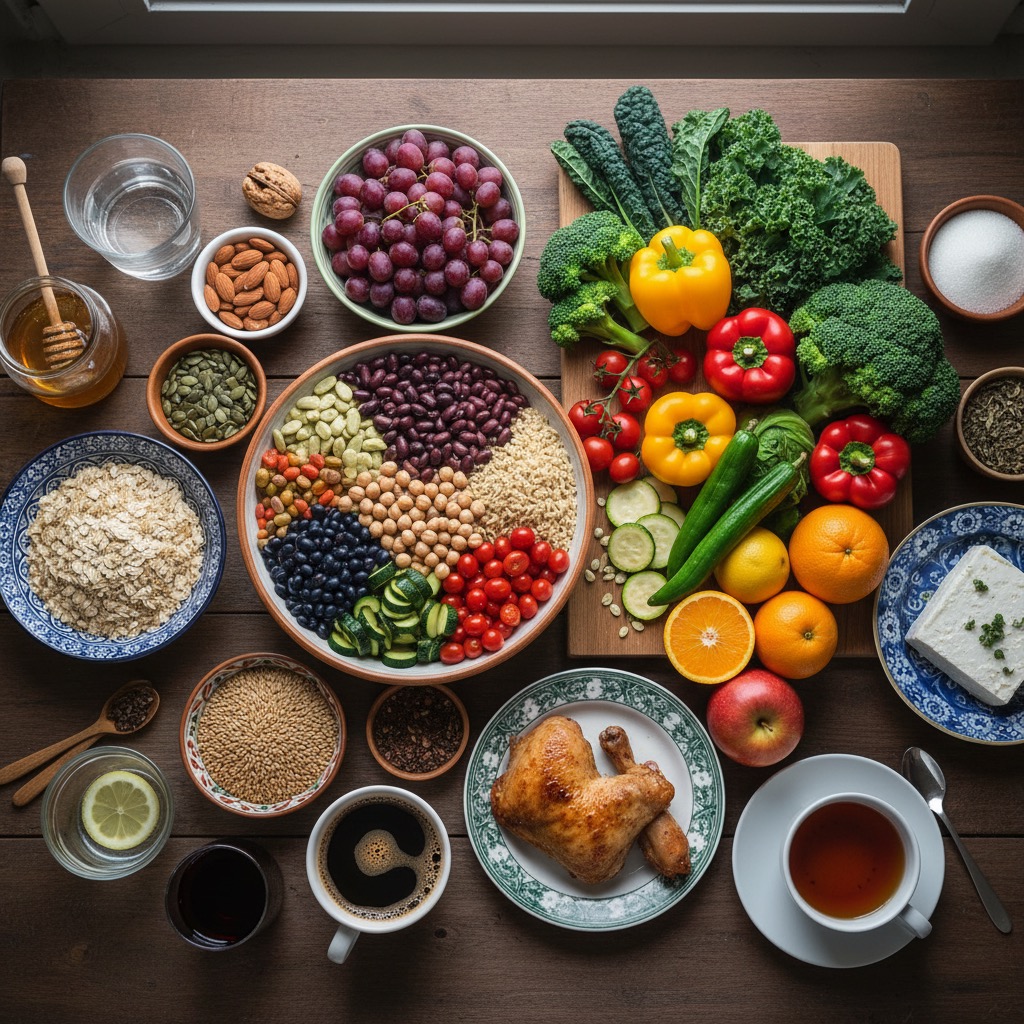
* Nutrient-Dense Foods: The diet emphasizes nutrient-rich foods such as dark leafy greens (e.g., kale, spinach), beans, and whole grains. These foods are high in vitamins, minerals, and antioxidants, which help reduce the risk of chronic diseases.
* Minimal Processed Foods: Residents of Blue Zones consume very few processed foods, sugary snacks, or drinks. Instead, they focus on whole, unprocessed foods that provide essential nutrients.
Mindful Eating: Many Blue Zone residents practice mindful eating, often stopping when they feel about 80% full, a practice known as “Hara Hachi Bu” in Okinawa.
Health Benefits
Following the Blue Zone diet can lead to numerous health benefits, including:
* Improved Longevity: The diet is associated with a longer number lifespan and reduced risk of chronic diseases such as heart disease, diabetes, and certain cancers.
* Better Overall Health: A plant-based diet is linked to lower blood pressure, improved cholesterol levels, and better weight management.
How to Incorporate the Blue Zone Diet:
* Focus on Whole Foods: Fill your plate with a variety of colorful vegetables, fruits, whole grains, and legumes.
* Limit Animal Products: If you consume meat, do so sparingly and choose high-quality sources.
* Cook at Home: Prepare meals using fresh ingredients and traditional recipes to enhance flavor and nutrition.
* Stay Active: Combine the diet with regular physical activity and strong social connections to maximize health benefits.
* By adopting the principles of the Blue Zone diet, you can improve your health and potentially extend your lifespan while enjoying delicious, wholesome foods.
Estimating population longevity
In the original study of centenarians living in 14 mountain villages of Sardinia (the first proposed blue zone), the research team developed an Extreme Longevity Index (ELI) representing the ratio between the number of eventual centenarians born between 1880 and 1900, and the total number of births recorded during the same time interval for the region. The ELI was defined as the number of centenarians per 10,000 newborns, and was used to determine the probability that any person born in that municipality would reach 100 years old while remaining mentally and physically functional.
The Blue Zones Power 9 principles are nine lifestyle habits that contribute to longevity and well-being.
They include:
* Move Naturally: Engage in regular physical activity as part of your daily routine.
* Purpose: Have a sense of purpose in life.
* Down Shift: Manage stress through relaxation and mindfulness practices.
* Plant Slant: Emphasize a plant-based diet rich in fruits and vegetables.
* Wine at 5: Enjoy moderate alcohol consumption, particularly wine, in social settings.
* Right Tribe: Surround yourself with supportive social networks.
* Loved Ones First: Prioritize family and close relationships.
* Belong: Participate in spiritual or community activities.
* These principles are derived from the lifestyles of people living in Blue Zones, areas known for their high concentration of centenarians.
13 Foods to Eat or Avoid on the Blue Zone Diet to Help You Live Longer:
People living in Blue Zones seem to live longer than people in other parts of the world. They do not often have heart disease, cancer, diabetes, or obesity. These places also have a lot of people who live to be over 100 years old.
The Blue Zone diet is based on common themes in the way people in these areas eat. It is mostly plant-based. The daily food intake of people living in Blue Zones is about 95% vegetables, fruits, grains, and legumes. They do not eat much meat, dairy, sugary foods or drinks, or processed food.
Foods to Eat
1. Dark, Leafy Greens
Dark leafy greens are one of the most nutrient-dense veggies. Greens like kale, spinach, and Swiss chard are a prized part of the Blue Zone diet.
Dark greens are a good source of vitamin A and vitamin C. These vitamins have a substance in them that helps prevent cell damage (antioxidants).
2. Blueberries
Fresh fruit is a go-to sweet treat for many people living in Blue Zones. Any fruit can be a tasty dessert or snack, but blueberries are one of the best to add to your diet.
Research has shown that blueberries may boost your brain health as you get older.
1 The berries may help stave off heart disease by helping you control your blood pressure.
2 You can also try papayas, pineapples, bananas, or strawberries.
3. Healthy Oils
Plant-based oils like olive oil are best on the Blue Zones diet. Olive oil has fatty acids, antioxidants, and compounds like oleuropein, a chemical that can help reduce inflammation. The oil can be used for cooking or drizzled on salads and vegetables.
There are different kinds of olive oil. Look for a bottle that says “extra-virgin olive oil,” which is the least processed variety. This means it contains more vitamins and antioxidants than olive oils that are not extra-virgin.
Olive oil is sensitive to light and heat; keep it in a cool, dark part of your kitchen, like a cabinet that’s not near your stove.
4. Beans and Legumes
From chickpeas to lentils, beans and legumes are a key part of Blue Zone diets.4 Loaded with fiber and heart-health benefits, they are also a top source of protein, complex carbohydrates, and many vitamins and minerals.
Whether you prefer pinto beans or black-eyed peas, try to eat at least 1/2 cup of beans or legumes each day. They can be added to salads, soups and stews, and many veggie-based recipes.
5. Whole Grain Bread or Sourdough
Whole grains are important in the Blue Zones diet. Avoid bread made from bleached, white flour and choose 100% whole grain instead.
Sourdough bread is also a good choice if you’re following the Blue Zones diet. Sourdough bread has a lower glycemic-index than regular white bread.5 Whole wheat sourdough bread is even healthier, with a low glycemic index of 54. Sourdough also contains important nutrients such as vitamin-E, vitamins B1, B6, and B12, and numerous dietary minerals such as zinc, iron, and magnesium.
6. Nuts
Nuts are packed with protein, vitamins, and minerals. They also give you plenty of unsaturated fats which are good for your heart.
Research has also shown that eating nuts may help you lower your cholesterol levels. Keeping your cholesterol in check can help prevent heart disease.7
While they are nutritious, nuts also have a lot of calories. Stick to a handful of almonds, walnuts, pistachios, cashews, or Brazil nuts.
7. Whole Foods
Whole foods are minimally processed foods or those without added ingredients. Steel-cut oats are a good example of a whole food.
Oats are known for their cholesterol-lowering power, but they also have other benefits. Studies have shown that oats can help you manage your weight, prevent diabetes, and protect your heart by keeping your arteries from hardening.8
Barley is another whole grain that people in Blue Zones like to eat. Studies have shown that barley can help lower cholesterol. It also is a source of the “building blocks” your body uses to make proteins, called amino acids.
Barely is easy to add to soups. You can also eat it by itself as a hot cereal for breakfast. Research has shown that eating barley may improve your digestion.
8. Fish
Fish can provide health benefits but tends to be eaten in moderation on a Blue Zones diet. Limit your intake to around three small servings a week. Look for fish that does not contain high levels of mercury.
9. Drink Water
Staying hydrated is important no matter what diet you’re following. On the Blue Zones diet, you should drink mostly water and limit other fluids. Soft drinks—even those without sugar—are best avoided. Some other drinks that are found in Blue Zones include:
* Coffee, which may support brain health.
* Tea, which may lower your risk of heart disease and certain cancers.
* Red wine, which has been associated with cardiovascular health. Note, however, that red wine’s health benefits are controversial. In 2023 the World Health Organization (WHO) said in a statement that “no level of alcohol consumption is safe for our health.”
10. Can the Blue Zones Diet Help You Lose Weight?
The Blue Zones diet is designed to help you live a long life. It is not specifically a weight loss diet. However, many people who adopt a plant-based diet do lose weight. Talk to your healthcare provider about whether the Blue Zones diet is recommended for you.
Foods to Limit or Avoid
1. Dairy
People in most Blue Zones countries do not eat a lot of dairy products. Dairy is high in fat and sugar and is best avoided.
Some Blue Zones countries do include sheep or goat dairy, but it is usually eaten in fermented products such as yogurt or cheese.
2. Added Sugar
Naturally occurring sugar, such as that found in fruit, is okay to eat on the Blue Zones diet. Avoid adding sugar to the foods you eat whenever possible, however.
Added sugar should only be eaten in very small amounts of less than 7 teaspoons a day. Sweet treats like cookies and candy should be limited to special occasions, and you should avoid adding sugar to coffee, tea, cereal, or other foods.
3. Eggs
Eggs aren’t considered an important element of the Blue Zones diet, though they are eaten in Blue Zones countries. In actual blue zone areas of the world, people eat eggs as a side dish about two times per week.
4. Meat
People in Blue Zones only eat meat on rare occasions. This includes meat usually thought of as healthy on a Western diet, such as chicken and turkey. Generally speaking, you should eat no more than 2 ounces of meat five times a month.
Are There Any Criticisms of the Blue Zones Diet?
Not everyone agrees that following a Blue Zones diet will necessarily extend your lifespan. A 2019 study, for example, found that people over the age of 100 tended to be concentrated in remote areas where there is high illiteracy and where the median lifespan tends to be low.
The study’s author concluded that documentation of births and deaths in these areas may be inaccurate, which could mean there aren’t as many people over the age of 100 living in these places as presumed.