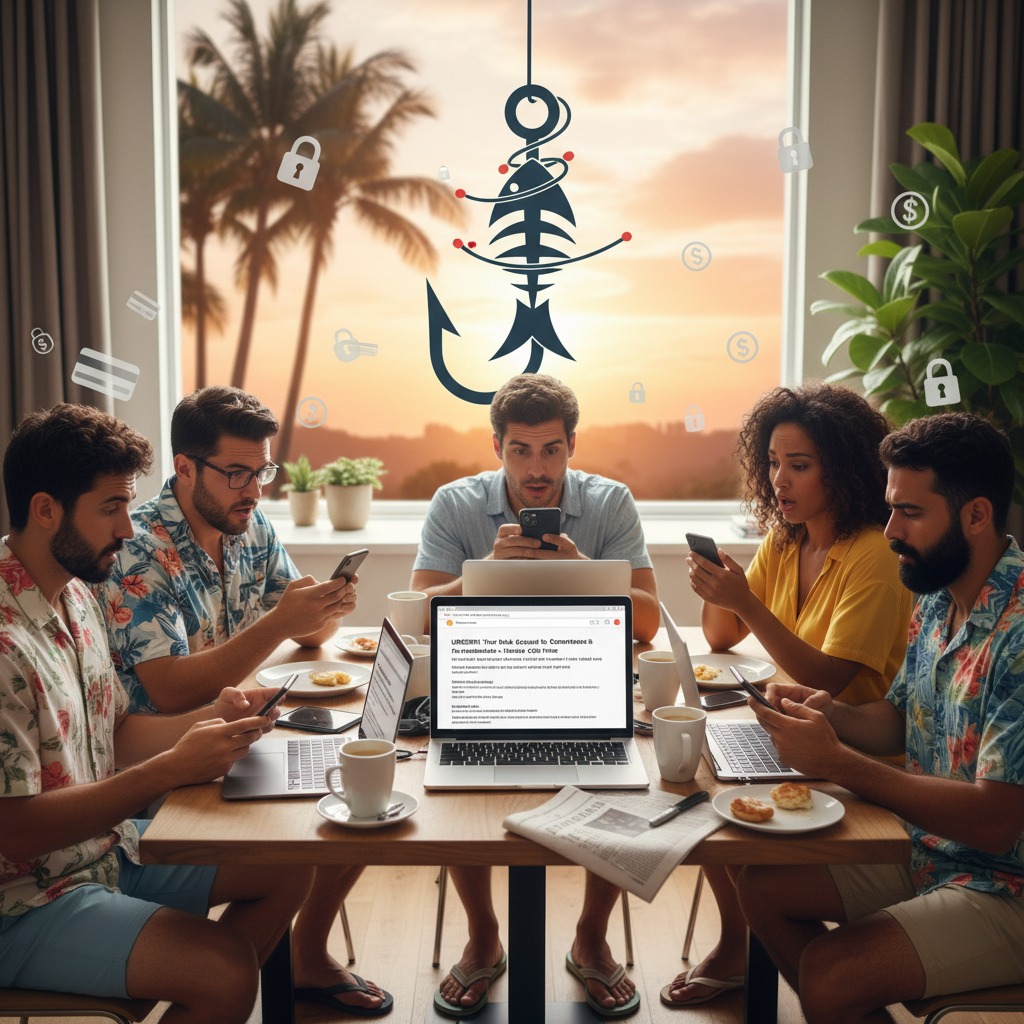






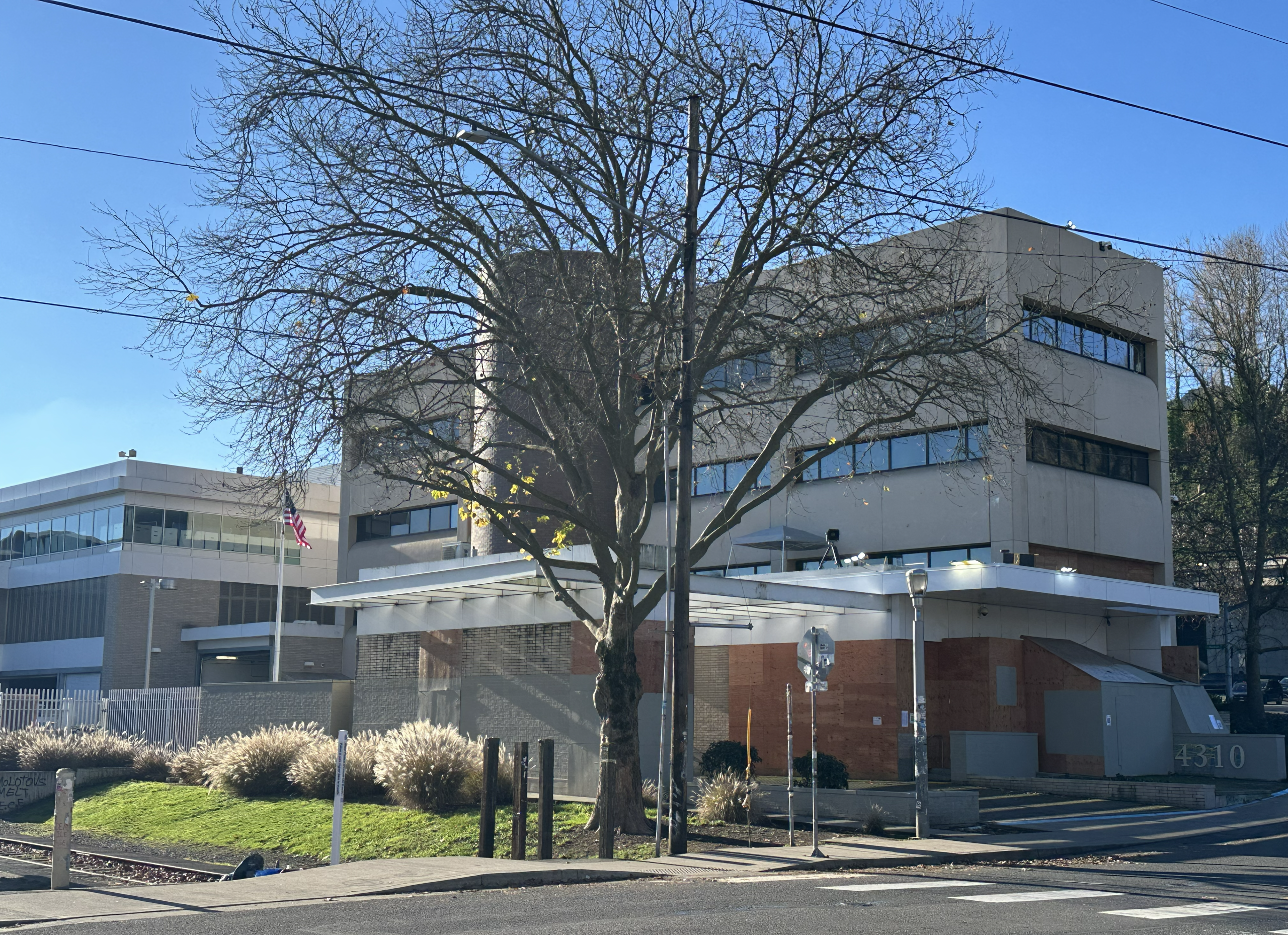
June 15th is World Elder Abuse Awareness Day, a time to underscore the importance of protecting older adults from financial abuse, neglect, and exploitation. FBI Philadelphia is raising awareness to tactics most commonly used by scammers and red flags to look out for to avoid becoming a victim.
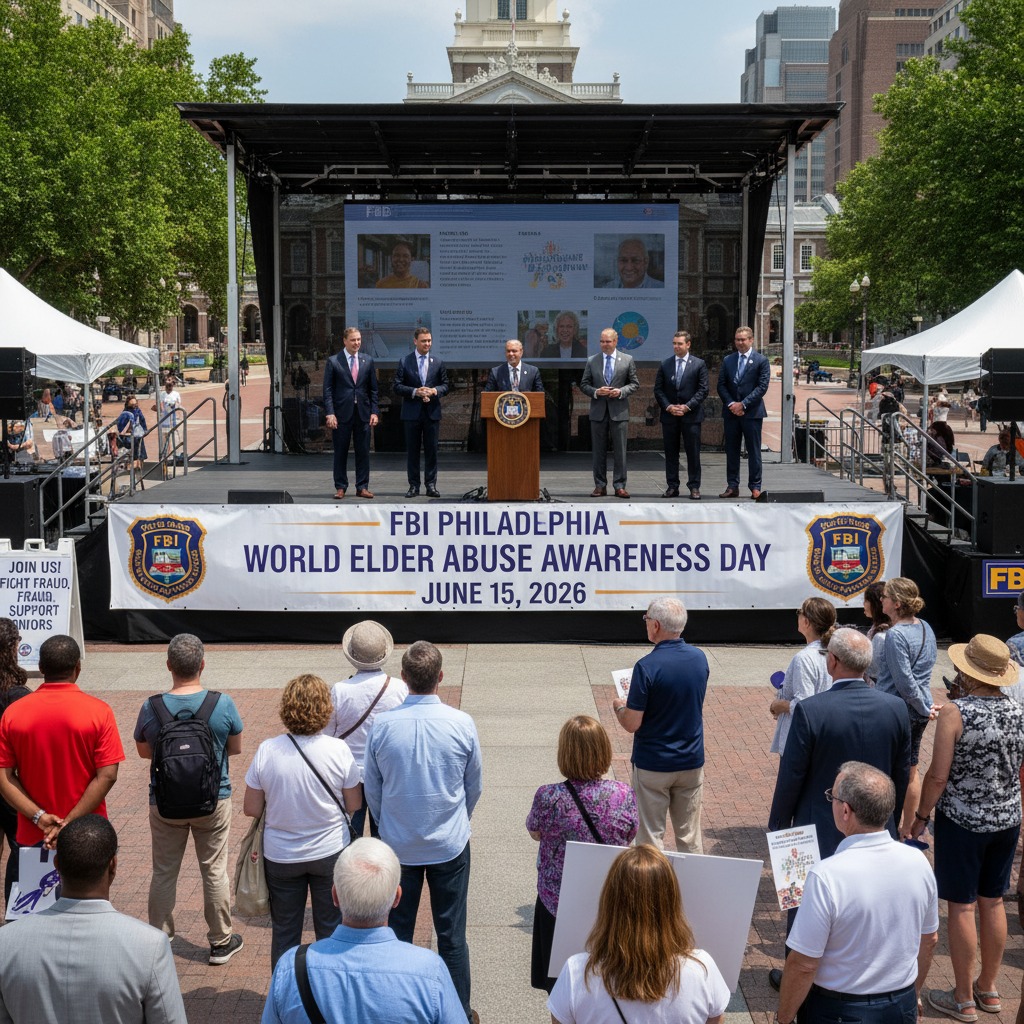
The abuse of older Americans can come in various forms, including physical, emotional, mental, or financial exploitation.
According to the 2025 Internet Crime Complaint Center (IC3) Elder Fraud Report, the FBI received over 200,000 complaints from victims over the age of 60, totaling approximately $7.7 billion in losses.
Last year alone, Pennsylvania residents reported over 30,000 complaints to the FBI with estimated fraud losses over $537 million. In New Jersey, more than 20,000 complaints were received by the FBI totaling $660 million in losses. Phishing/spoofing, tech/customer support calls, and investment scams continue to dominate the Philadelphia threat landscape and drive victim losses into the billions.
“World Elder Abuse Awareness Day serves as an important reminder of the harm fraud and exploitation can cause to older Americans,” said Wayne A. Jacobs, special agent in charge of FBI Philadelphia. “Scammers often create a false sense of urgency to steal personal information, money, or both. We encourage seniors and their loved ones to remain vigilant, verify unfamiliar requests, and report suspicious activity. Through education, outreach, and enforcement, FBI Philadelphia is committed to protecting our communities and the savings older Americans have worked a lifetime to build.”
Some ways to protect yourself and loved ones include:
- Recognize scam attempts and end all communication with the perpetrator. This includes the very simple step to hang up the phone!
- Resist the pressure to act quickly. Scammers thrive off of a sense of urgency to incite fear and lure victims into immediate action.
- Be cautious of unsolicited phone calls, mailings, and door-to-door service offers.
- Never give or send any personal information, money, jewelry, gift cards, checks, or wire information to unverified people or businesses.
- Be careful of what you download. Never open an email attachment from someone you don’t know and be wary of email attachments forwarded to you.
- Make sure all computer anti-virus and security software and malware protections are up to date. Use reputable anti-virus software and firewalls.
The Department of Justice operates the Elder Justice Initiative to support and coordinate the Department’s enforcement and programmatic efforts to combat elder abuse, neglect, and financial frauds and scams that target our nation’s seniors.
FBI Philadelphia has Victim Specialists dedicated to ensuring victims have the resources and support they need while navigating the criminal justice process.
If you or someone you know may have been a victim of elder fraud, contact FBI Philadelphia at (215) 418-4000 or submit a tip online at tips.fbi.gov. You can also file a complaint with the FBI’s Internet Crime Complaint Center at ic3.gov.
For additional elder fraud resources, visit: https://www.fbi.gov/how-we-can-help-you/scams-and-safety/common-frauds-and-scams/elder-fraud