



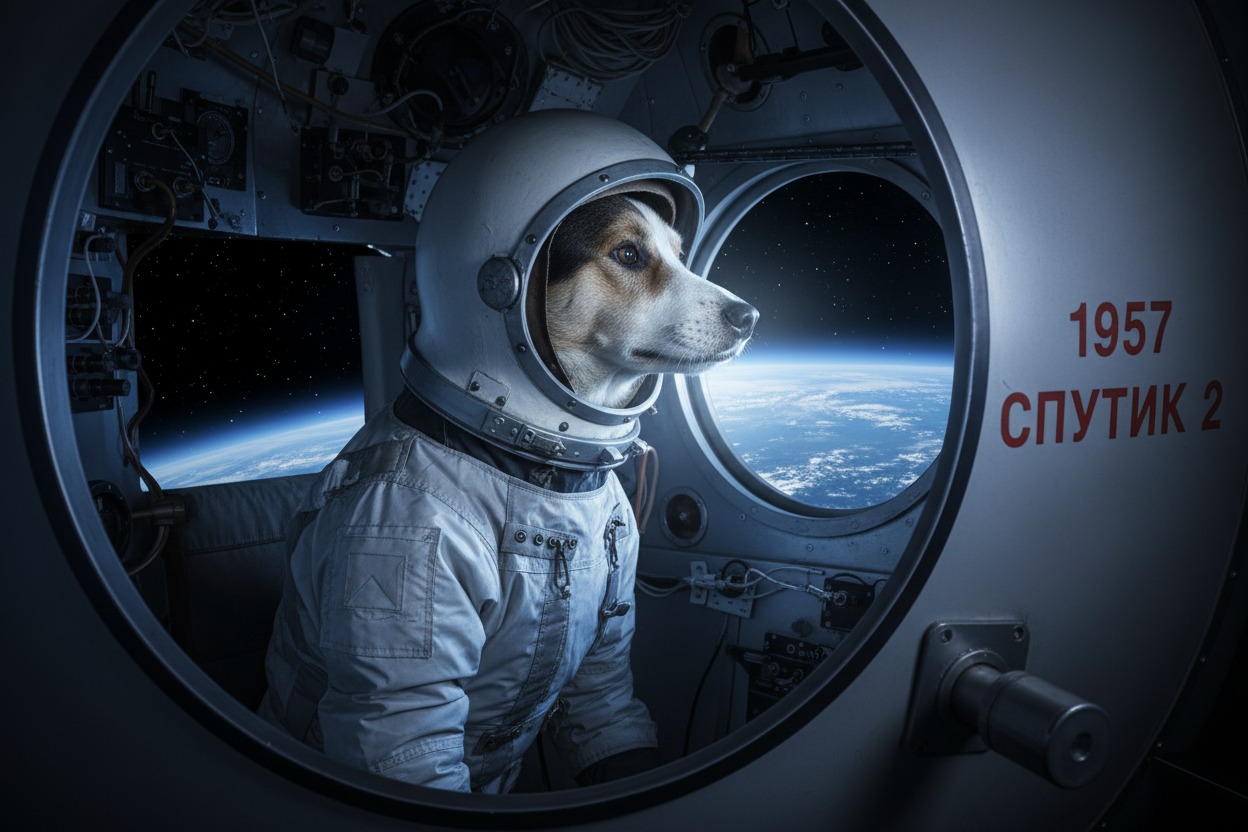
Laika was the first living being to orbit the Earth, launched aboard Sputnik 2 by the Soviet Union on November 3, 1957, marking a significant milestone in space exploration.
Background of Laika
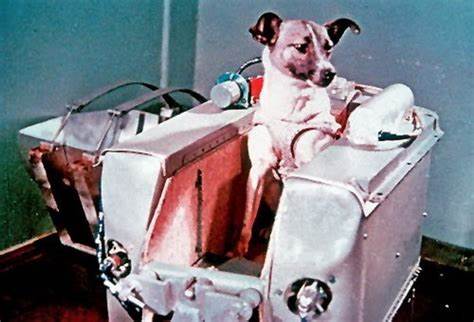
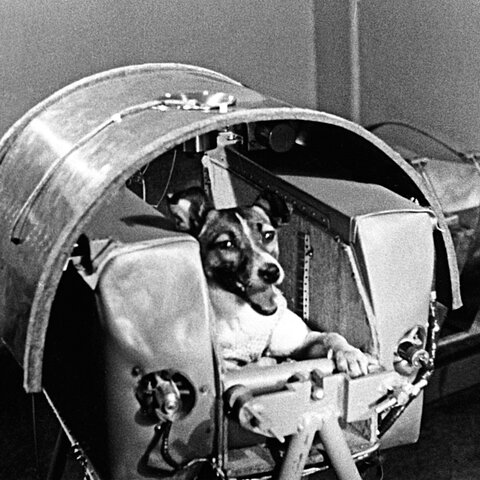
Laika was a stray dog found on the streets of Moscow. She was a small, calm, and obedient mongrel, making her an ideal candidate for the rigorous training required for space travel. The Soviet space program sought out stray dogs, believing their tough backgrounds made them resilient enough to handle the harsh conditions of space.
The Mission
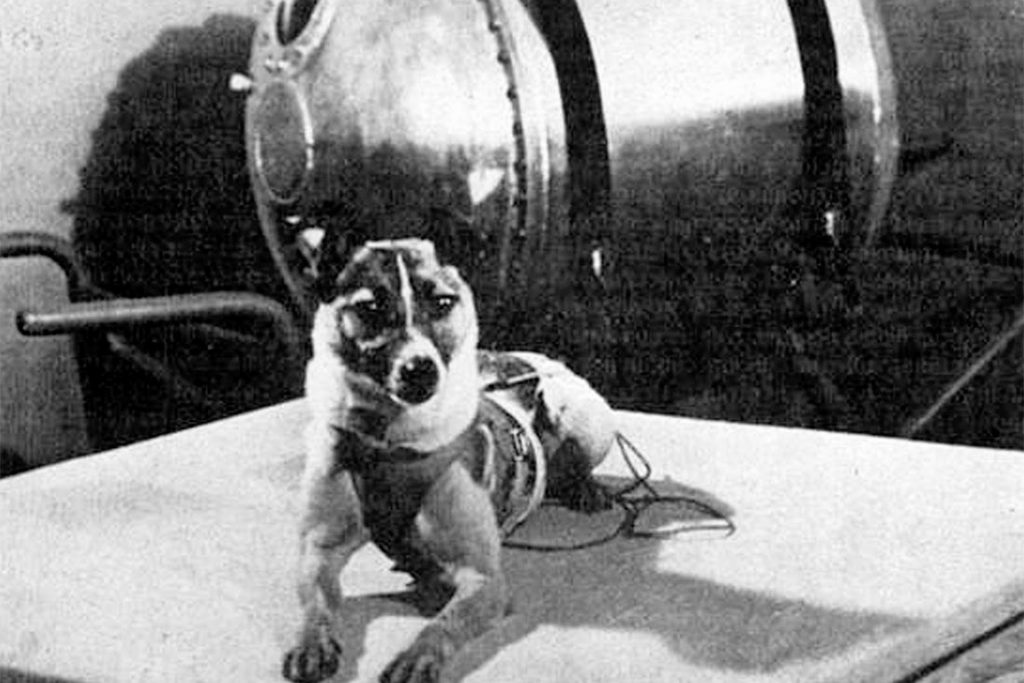
Laika’s mission was a significant event in the history of space exploration and part of the Soviet Union’s efforts during the Space Race, a period marked by intense competition with the United States to achieve significant milestones in space exploration. Sputnik 2 was launched just a month after the first artificial satellite, Sputnik 1, and was designed to carry a living creature into orbit.
The Science Survey
Laika underwent extensive training, which included being placed in smaller cages to acclimate her to the confined space of the capsule, as well as simulations that replicated the conditions of a rocket launch. Unfortunately, the spacecraft was not designed for a safe return, and it was known that Laika would not survive the mission.
Fate and Legacy
Laika’s journey lasted about five hours before she died from overheating and stress, as the capsule’s cooling system failed. Her heart rate tripled, and she was subjected to extreme temperatures. The mission was initially portrayed as a success, but the truth about her suffering led to international outrage, particularly from animal rights activists.
Laika became a symbol of the ethical dilemmas surrounding animal experimentation in scientific research. Her story raised awareness about the treatment of animals in research and sparked discussions that continue to resonate today.
Conclusion
Laika became an international symbol of both scientific progress and the ethical dilemmas of animal testing. She is commemorated with monuments in Moscow, including a small statue atop a rocket near the military research facility that prepared her flight, and she appears on the Monument to the Conquerors of Space. Her mission paved the way for future animal and human spaceflights, including the safe return of dogs Belka and Strelka in 1960.
Laika’s story continues to inspire discussions about the sacrifices made in the pursuit of space exploration and remains a poignant reminder of the early days of the Space Age.

© Copyright material is presented for viewing purposes only, and is not intended for copying or publication unless authorized by Gemm Broadcasting Corporation.