



How the FBI plans for safe gatherings
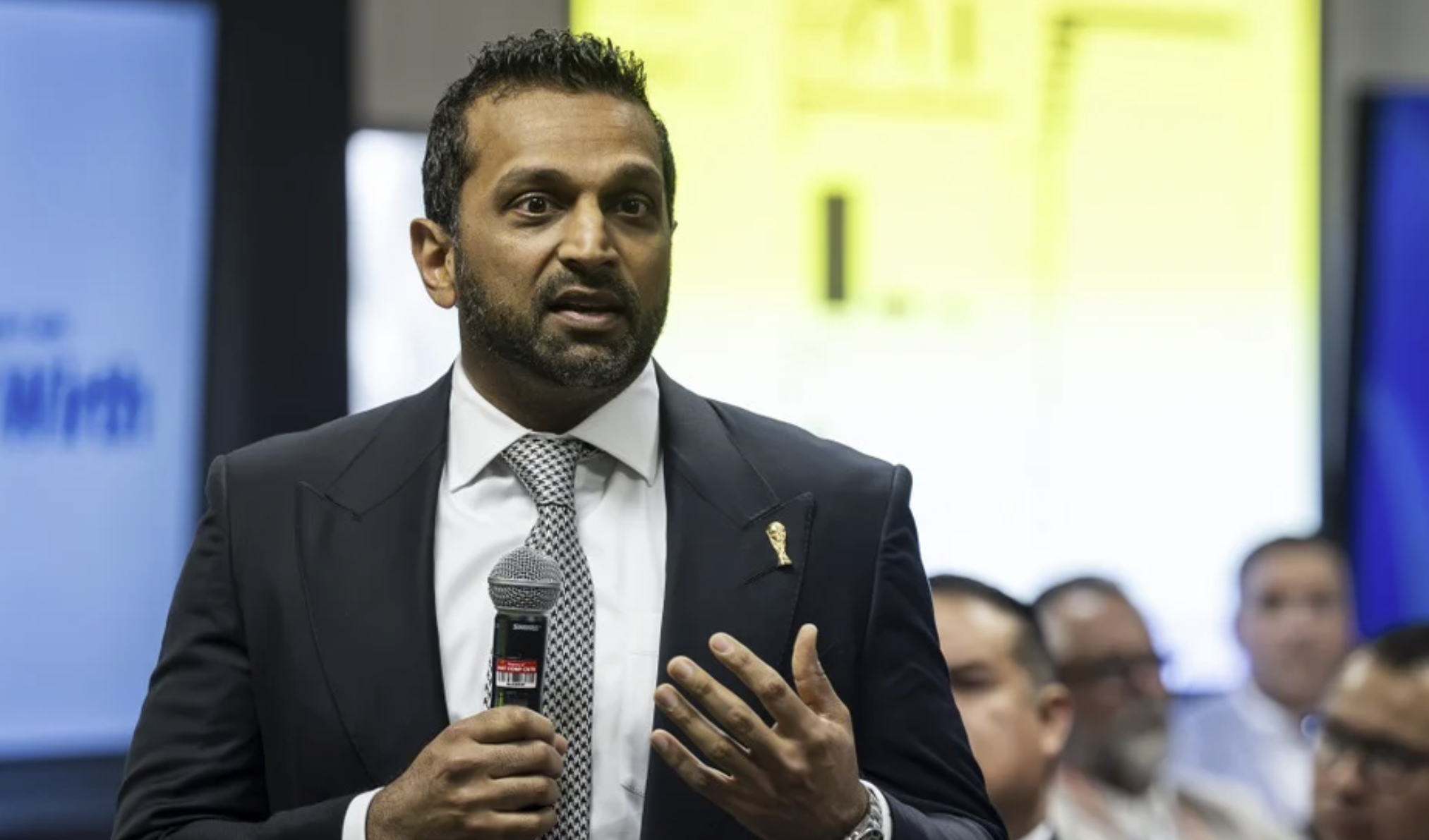
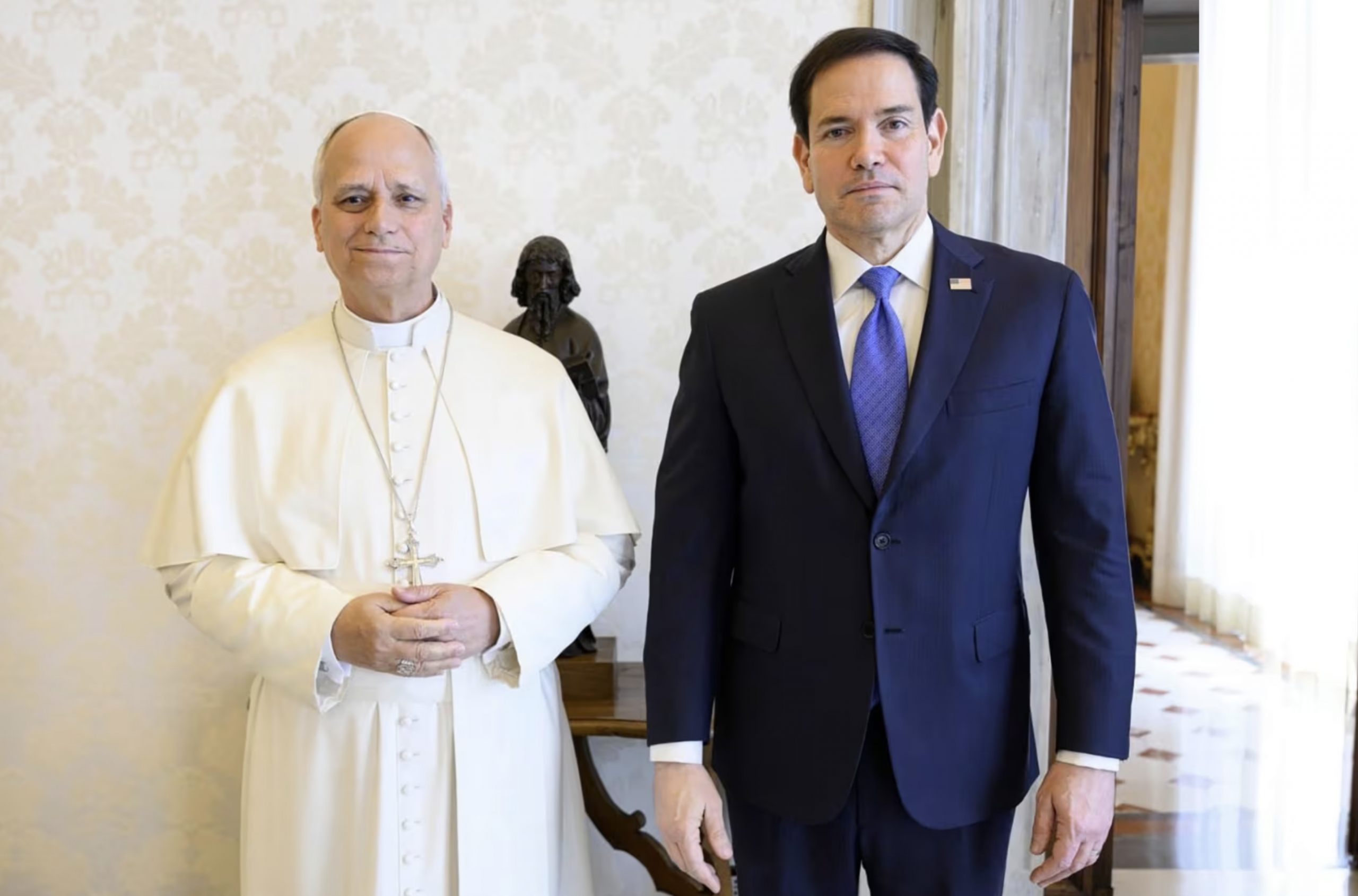
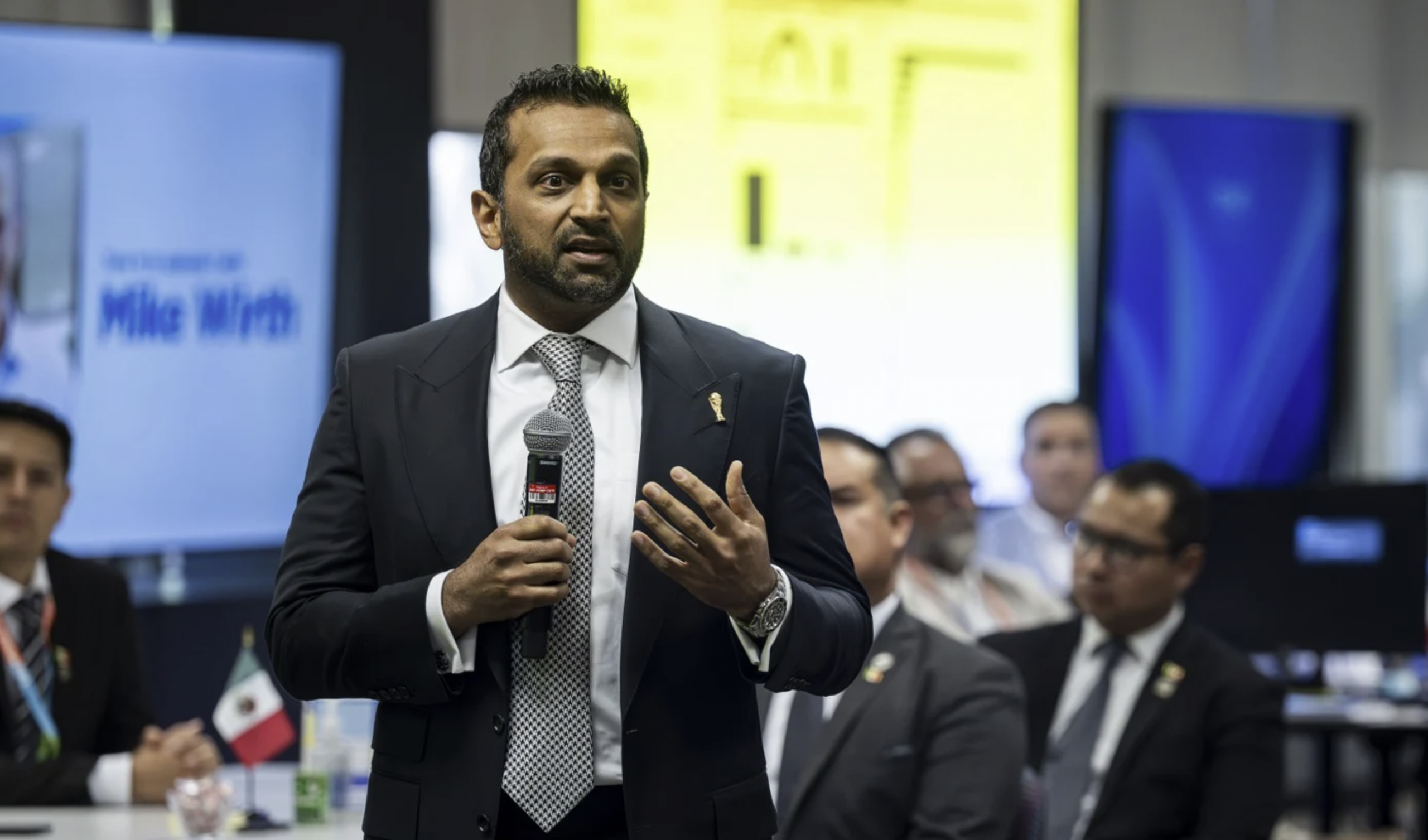
Director Kash Patel at the International Police Cooperation Center (IPCC), which was established by the FBI for the FIFA World Cup 2026™. The IPCC hosts representatives from the 11 U.S., three Mexican, and two Canadian cities. Countries with teams playing in the tournament are also represented in the IPCC.
Excited fans eagerly jostle toward the entrance of a long-awaited event, their anticipation building as start-time approaches. Behind the scenes, the FBI and its partners have been working diligently to ensure spectators and participants can enjoy themselves in safety.
Across the country—and sometimes in other countries—the FBI plays a critical role in keeping everyone safe at the public gatherings the U.S. Department of Homeland Security (DHS) has deemed “special events.”
Security for most events falls to the local authorities. The FBI’s primary responsibility is sharing information with local law enforcement partners before and during the event—and providing any support they need. The FBI also stands ready to act should something happen during the function.
“It’s a tremendous honor, and it’s a tremendous responsibility, to contribute to keeping special events safe so that Americans can freely enjoy and create memories with their friends and families,” said Assistant Director Devin J. Kowalski of the FBI’s Critical Incident Response Group (CIRG). “We take great pride in knowing that we can deliver a safe environment.”
A federal working group rates special events on a scale of 1 to 5 after considering elements such as likely media coverage, how many participants will attend, if high-ranking officials or celebrities will attend, if the event has symbolic meaning to the nation, and other factors. Events like a local half marathon may be ranked Level 5; some music festivals or moderately sized sporting events may be ranked Level 3; while huge events like the Super Bowl receive a Level 1 ranking.
Other events with a national security element, like a presidential inauguration or the State of the Union, fall under the authority of the U.S. Secret Service as the lead coordinating agency.
For some special events, the planning can start years before the event does, such as the FIFA World Cup 2026™ tournament that is currently captivating the country and the globe. The FBI began planning in March 2024, said Acting Unit Chief Christopher Tarrant of CIRG’s Crisis Management Unit.
“This World Cup for 2026 is the largest World Cup event—and largest event that the United States has ever had to provide security for,” Tarrant said. “It’s been described as attempting to provide security for dozens of Super Bowls.”
FIFA World Cup 2026 includes 48 teams playing 104 matches in 11 U.S. cities, Mexico, and Canada over 39 days. Every match is rated a Level 1 or 2 special event.
The work starts long before the gates open. For FIFA World Cup 2026, the security effort was coordinated in part through the White House Task Force on the FIFA World Cup 2026. In addition to the FBI, numerous federal agencies are represented on the task force, which created a framework to ensure the safety and security of the tournament.
One of the first security tasks is determining if anyone has a reason to disrupt the event or is planning violence. The FBI and its partners analyze relevant intelligence and decide how to proceed.
Background checks
For most events, a good defense means keeping the wrong people away by checking the background of everyone who is authorized to enter the venue aside from spectators: vendors and their crews, grounds crews and maintenance workers, and anyone with special access.
The FBI conducts its background checks through the National Crime Information Center (NCIC), part of the Criminal Justice Information Services Division (CJIS). The NCIC is the system police officers use when they make traffic stops and has more than 19 million active records contributed by criminal justice agencies nationwide.
“My team supports the mission by providing timely results that mitigate potential terrorists and halts acts of violence, while helping to provide a secure venue,” said Johnna, a supervisory technical information specialist at CJIS. “Our work allows those attending to sit back, relax, and enjoy the event.”
The FBI’s Information Management Division also checks names through its Enterprise Vetting Center (EVC). While the NCIC checks criminal justice records from agencies at all levels of government, the EVC checks FBI records.
The EVC complements NCIC checks with additional criteria to flag attendees with greater-than-public access for event hosts. For example, the EVC flags people who have committed violent crimes or had gang affiliations in the past seven years. It also flags people who have committed violent crimes against children, violated civil rights in the past seven years, violated international human rights, been involved in transnational organized crime, and other national security threats.
After the FBI provides results to DHS, the organizing entity—such as FIFA—reviews the flagged individuals and decides if they should still be cleared for credential access. The FBI does not provide substantive information about the flags.
The FBI expects to run 340,000 names through the NCIC and the EVC, plus last-minute guests, on behalf of DHS for FIFA World Cup 2026.
As a special event draws closer, the FBI continues to collect, analyze, and share intelligence with the local agency in charge of security and numerous partners about possible bad actors intent on disrupting the event.
Some of that intelligence comes from the public in the form of tips reported to the FBI’s National Threat Operations Center (NTOC) online and by phone. High-profile events can increase the number of tips NTOC receives, analyzes, and shares.
“During almost any major event, there’s going to be elevated activity. We may receive an elevated call volume, given it’s FIFA [World Cup],” said Cyrus Smith, a supervisory special agent with NTOC. “Most of the tips are going to revolve around threats. Unfortunately, some of them will be hoaxes.”
Every tip is evaluated, Smith said. “We take any threat seriously. We err on the side of caution.”
Intake examiners review the threat or the tip and forward to the local FBI field office as appropriate. NTOC’s analysis keeps the field offices from getting bogged down with running down noncredible tips, Smith said.
“It’s a balance of getting the information out quickly but getting the right information out,” he said.
FBI command posts
The FBI operates command posts for higher-profile special events so participants can share information quickly and have access to the same information.
The FBI can also host virtual command centers, as needed, through its Law Enforcement Enterprise Portal. Virtual command centers are highly customizable depending on participants’ needs. The FBI supports the virtual posts and trains participants ahead of time. Like a physical command post, the virtual command posts provide a place and the ability for all involved law enforcement to share information.
“What we try to do is make sure everyone is on the same page,” said Rachel, a liaison specialist for virtual command centers. “That helps strengthen overall public safety.”
For FIFA World Cup 2026, the FBI established the International Police Cooperation Center (IPCC). The IPCC hosts representatives from the 11 U.S., three Mexican, and two Canadian cities. Countries with teams playing in the tournament are also represented in the IPCC.
At its core, the IPCC helps representatives share information quickly about high-risk individuals, criminal behavior, and security intelligence.
“Partnerships are extremely important, mainly because each law enforcement agency or international partner has a certain piece to a puzzle, and we need all of those pieces together in order to facilitate security and enhance communication,” CIRG’s Kowalski said.
When an event starts, the FBI and its partners pivot from a primarily prevention posture to monitoring—and response, if needed.
“The FBI and our partners have been working for a long time—and will continue to work around the clock throughout the games and any other special event—to make sure that we’re doing everything we possibly can to keep the event safe,” Kowalski said.